
.jpeg)
Once upon a time, there were two Finnish SMEs. The first one was offered the opportunity to participate in an international trade fair, with the added promise that buyer meetings would be arranged for them. The company declined, saying too much working time would be wasted on flights, and they didn’t want to take that risk. However, they suggested that since I was going to the event anyway, I could invite the buyers to visit their office, and they promised to keep the coffee pot warm.
The second company was given the chance to present their product at an international seminar, because there was genuine interest in it. Nothing else was promised. The company simply thought: why not? It was a great opportunity to network, meet new stakeholders, and tell people about the product. Two years after that first presentation, the company generated around 1.5 million euros in sales.
Can you guess which of the two companies internationalized faster, and why?
We Finns tend to stay in the background, keep quiet, and move a little too tentatively when the moment calls for boldness. We often feel uncertain about our own innovations, polishing and perfecting them endlessly before we dare to take them beyond Finland’s borders. Meanwhile competitors have already passed us, and they are showcasing a product or service on international stages that is not even close to being finished. We are also often told that selling is not exactly our strongest suit. Some of these claims may well be true, but in my view, many of them are nothing but pure nonsense.
We Finns tend to stay in the background, keep quiet, and move a little too tentatively when the moment calls for boldness.
I have had the chance to sit in on many meetings where a Finnish company is pitching to an international buyer or audience, and watch Finnish teams compete in sales‑pitching contests. And I can honestly say I’m proud of Finnish expertise. When someone feels genuine passion and pride for what they offer, it shows. And because so many Finnish companies have done their homework thoroughly, that preparation becomes visible too.
In early June, I attended the final pitching competition of the SUPERFINNS 2026 program, organized by Kasvu Open and Nordea. The winning company, FeelHobby, a digital wellbeing and fitness platform, gave an excellent two‑minute pitch. For companies planning to go to global markets, the founder of FeelHobby had a very clear piece of advice: test and sell. Identify real demand, gather proof of the need, and improve your product based on that. Surround yourself with the right people and keep your focus. This company has also a vision to become the leading provider in Europe’s wellbeing market. To win in Europe, you need a big vision, and the Finnish market alone can’t give you the scale.
The founder of FeelHobby had a very clear piece of advice: test and sell. Identify real demand, gather proof of the need, and improve your product based on that. Surround yourself with the right people and keep your focus.
I have followed Porkka Finland for several years. The company is a supplier of cold and freezer rooms, and Finland’s leading provider in UN procurement. Their success in international markets including work with the United Nations, is the result of long‑term work, carried out together with customers to develop models for storing vaccines and medicines in demanding conditions. According to the company, international competition is tough, and differentiation must come through service. Products, partner networks and cost‑efficiency need to be continuously improved. The company is doing work that truly matters: vaccination programs have significantly reduced child mortality in developing countries, and Porkka Finland is part of that impact.
According to the OECD SME and Entrepreneurship Outlook 2019, internationalization offers small and medium‑sized companies’ clear benefits that go far beyond increasing sales. Companies that operate across borders tend to work more productively, build stronger capabilities and create better‑quality jobs than those focused solely on domestic markets. Competing internationally forces companies to sharpen their offering, and being part of global value chains opens access to new customers and more specialized market segments. For many SMEs, looking beyond Finland isn’t just a growth strategy, it’s a way to strengthen resilience, learn faster and build long‑term competitiveness.
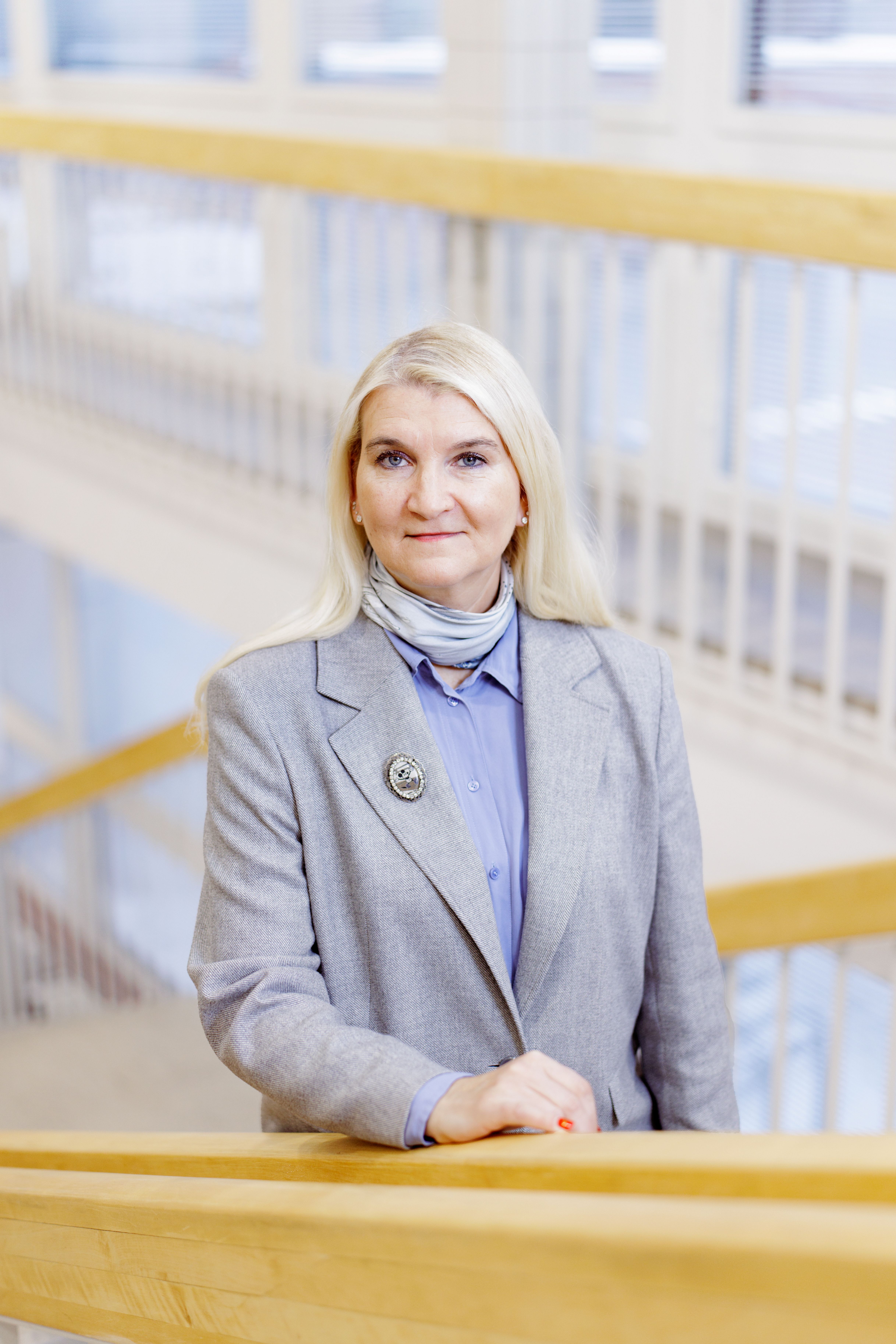
Marjukka Holopainen-Rainio, Lead Business Advisor
Sources:
FeelHobby vie suomalaista hyvinvointiosaamista Eurooppaan
OECD SME and Entrepreneurship Outlook 2019 (EN)
Main image source: Matti Pyykkönen / N2 Albiino

